



SonderCare vs Flex-A-Bed vs Proactive: A Comparison for Eastern NC Families
Table of Contents
- Luxury Residential Medical Beds (SonderCare)
- Residential Aging-in-Place Beds (Flex-A-Bed)
- Traditional Clinical Beds (Proactive Medical
- FAQs
For years, the word “hospital bed” meant one thing: a loud, institutional-looking bed with brown rails, thin mattresses, and exposed motors that made a bedroom feel more like a rehab facility than a home. They were designed primarily around clinical function, ease of cleaning, and standardized care delivery, not comfort or aesthetics. Luxury hospital beds for homes are changing that conversation. Newer systems from companies like SonderCare and Flex-A-Bed are designed not only to help with mobility, patient transfers, and caregiving but also to preserve the feeling of home. They focus on lower transfer heights, quieter operation, residential styling, integrated lighting, upgraded mattresses, and features intended to make long-term care feel less institutional for both the user and the family.
Just as importantly, these are not products we simply drop off and disappear from. As a family and locally owned business, our team is able to service and support the beds we sell, providing trusted local expertise for home hospital beds, adjustable beds, and long-term mobility needs. This includes troubleshooting, adjustments, replacement components, and long-term support for families across Eastern North Carolina. That matters in rural communities where getting service for specialized home care equipment can otherwise become difficult very quickly.
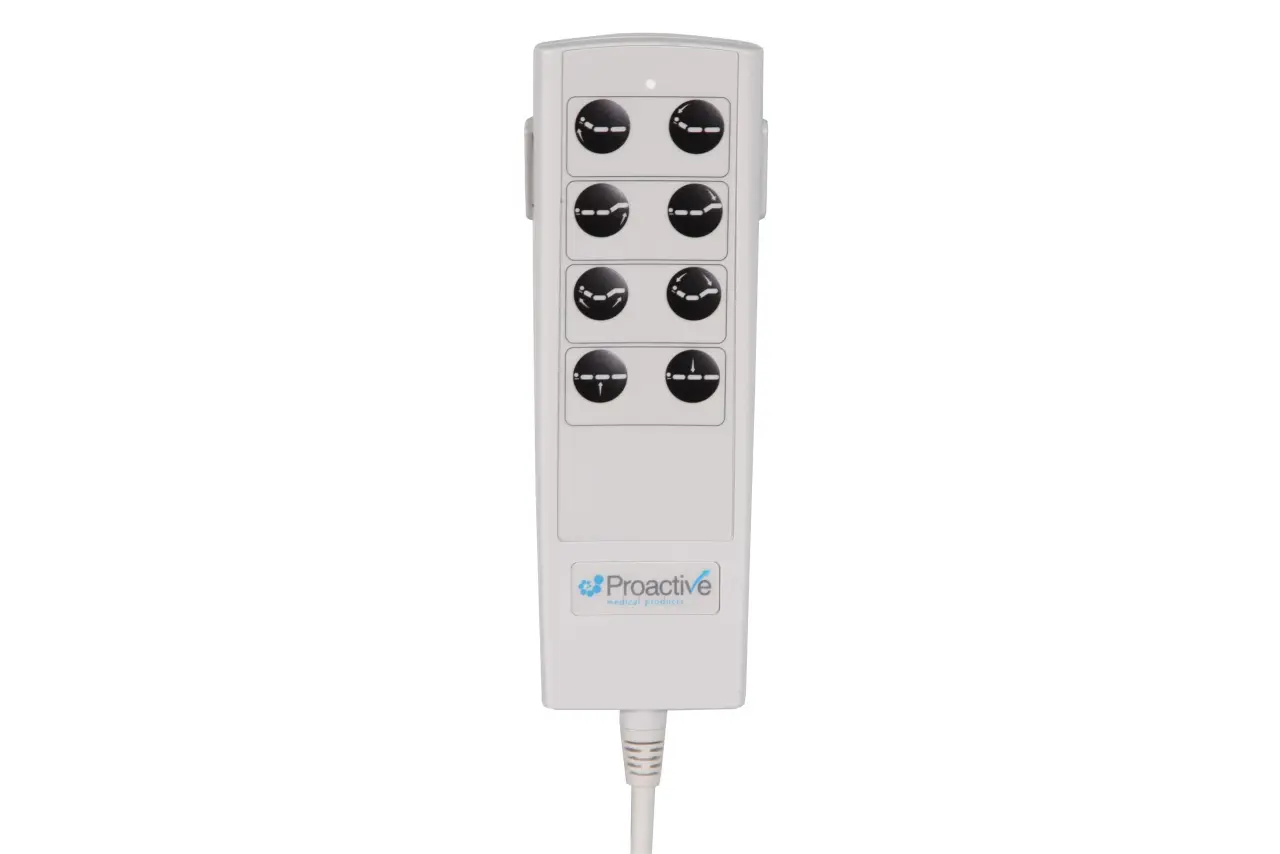
- Remote controls
- Massage settings
- USB ports
- Stock photos
- Transfer height
- Caregiver strain
- Whether the room suddenly feels like a nursing home
- Sheet fitment
- Mattress compatibility
- Long-term serviceability
- Replacement parts
- Noise at 2 AM
- How difficult the bed is to live with every day
- older farmhouses
- raised coastal homes
- tighter bedrooms
- downstairs living rooms converted into temporary bedrooms
- raised homes that make moving bed in difficult
- homes where caregiving is being handled by spouses or adult children, not full-time staff
- narrow hallways and door frames
The 3 Types of Beds Families Usually End Up Comparing
| Category | Beds |
| Luxury Residential Medical Beds | SonderCare Aura Premium, SonderCare Aura Platinum |
| Residential Aging-in-Place Beds | Flex-A-Bed Hi-Low SL, Flex-A-Bed Premier |
| Traditional Clinical / Institutional Beds | Proactive Akra-FE, Protekt Protopia EXP |
These six beds really fall into three categorie, and each category solves a completely different problem.
SonderCare Aura Platinum: The Ultimate SonderCare
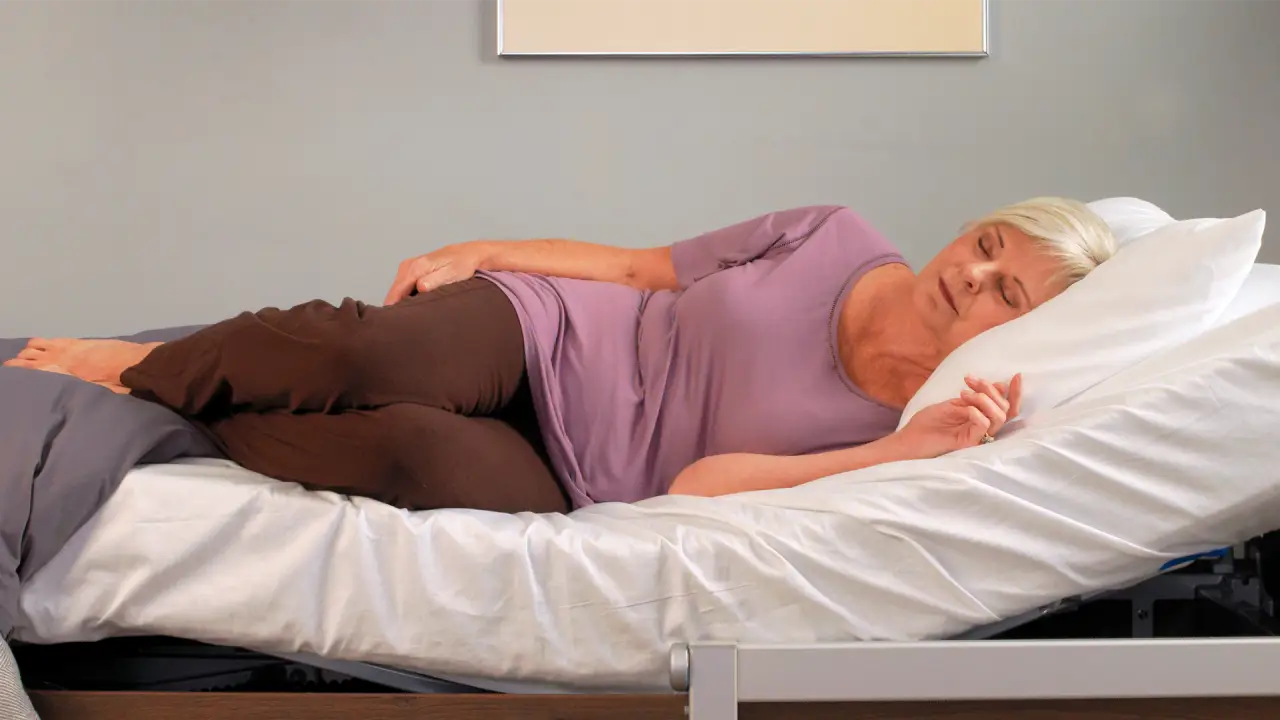
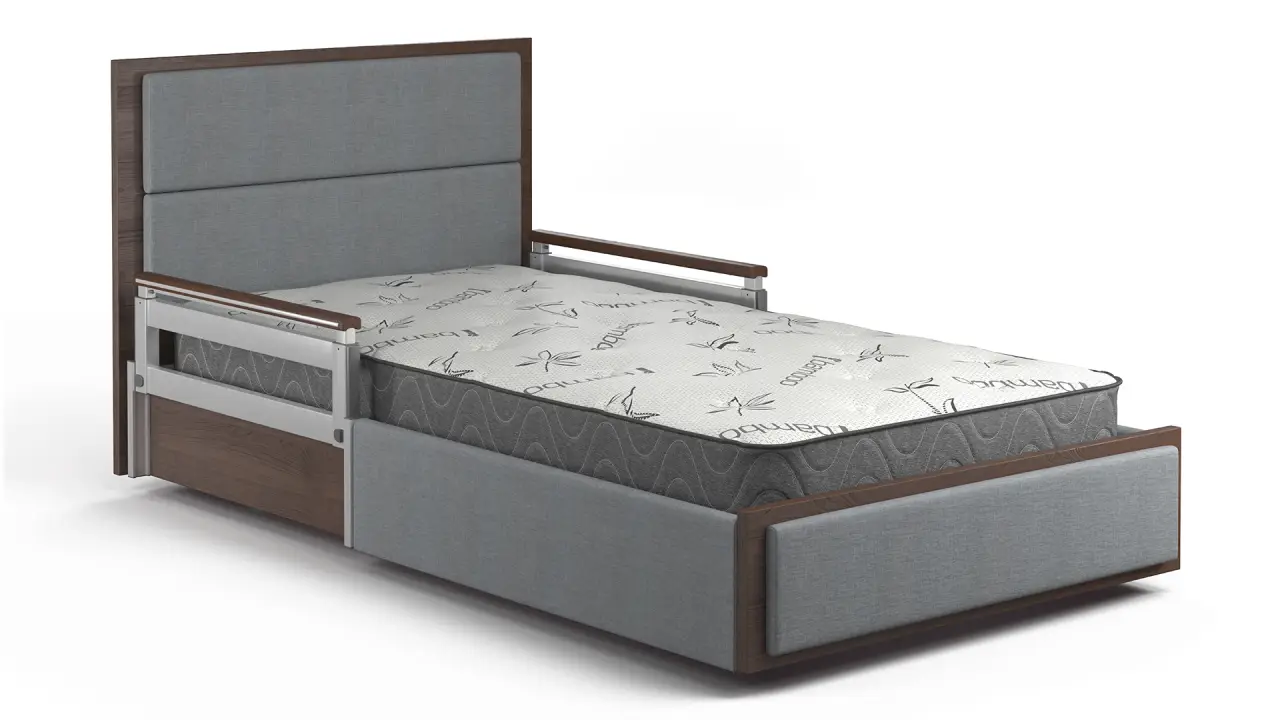
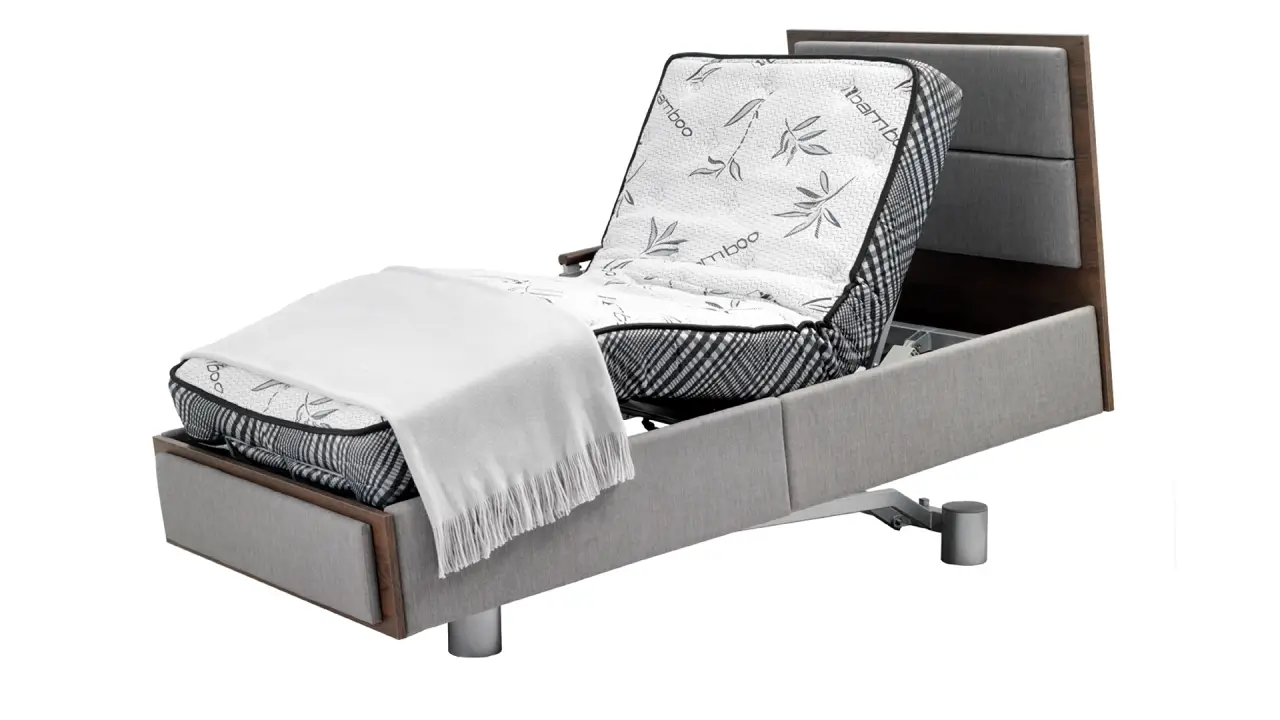
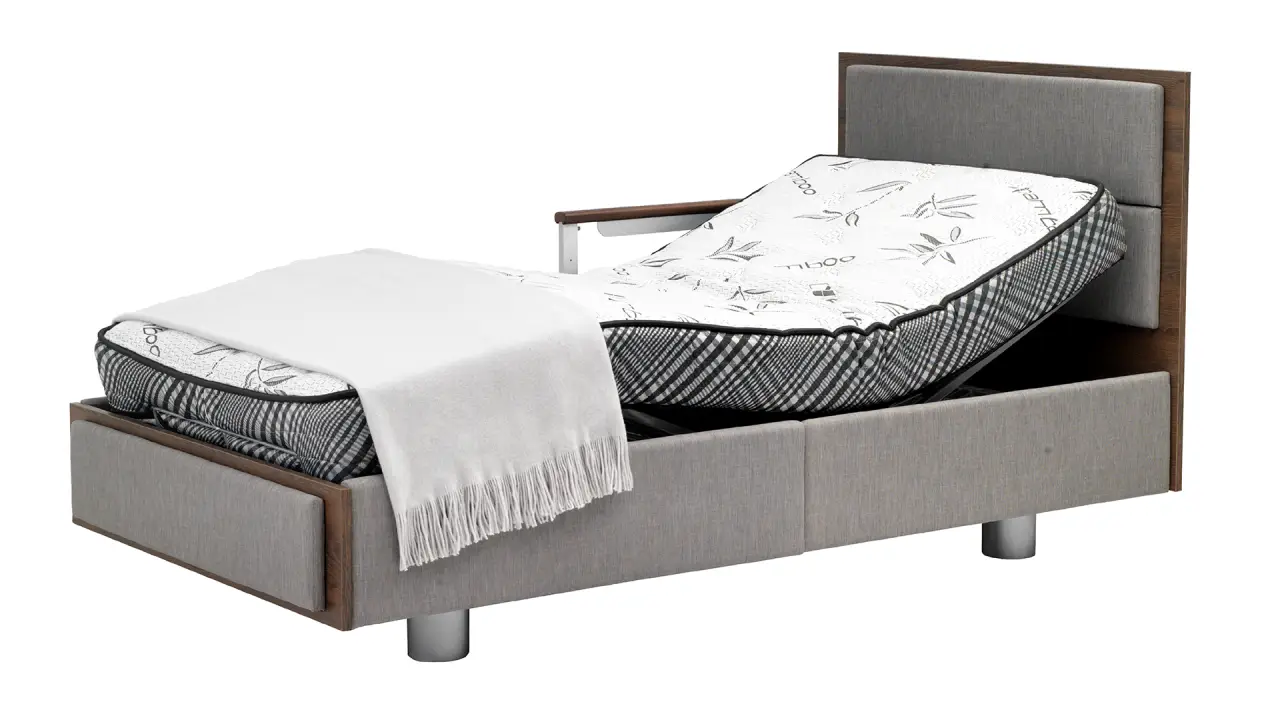
The Aura Platinum feels like SonderCare built a hospital bed for families needing the highest level of home care support without sacrificing comfort or appearance.
Compared to the Aura Premium:
• more premium in materials and finishes
• more luxury-focused in design and appearance
• enhanced upholstery and upscale styling details
• feels more residential and furniture-like
• better suited for families wanting the highest-end home care experience
This bed makes sense for:
• complex mobility limitations
• long-term aging in place
• higher-level caregiving support
• families wanting advanced positioning and luxury-level comfort at home
For many homes around Washington, Winterville, and New Bern, the Aura often feels like the top-tier option for home care. It still looks residential. It still avoids the institutional hospital feel. Unlike simpler home care beds, the Aura PlatiniPlatinum is designed to be more advanced, more supportive, and more clinically capable for complex care situations.
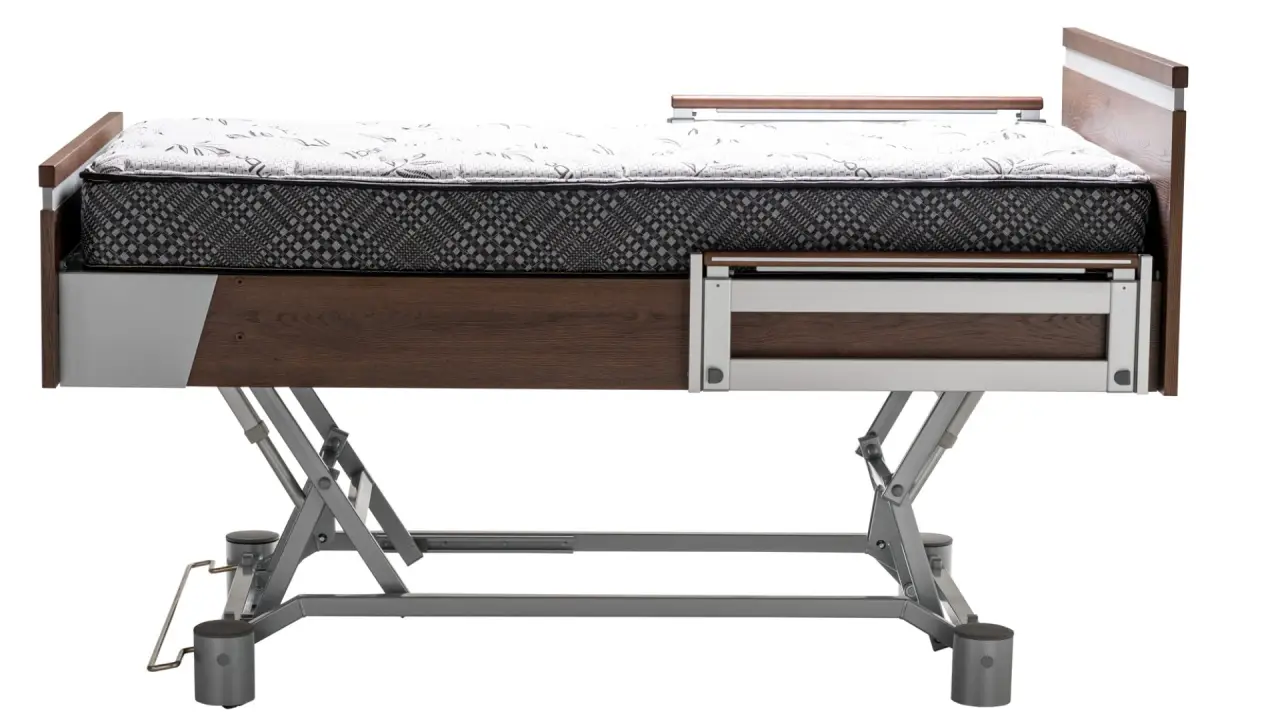
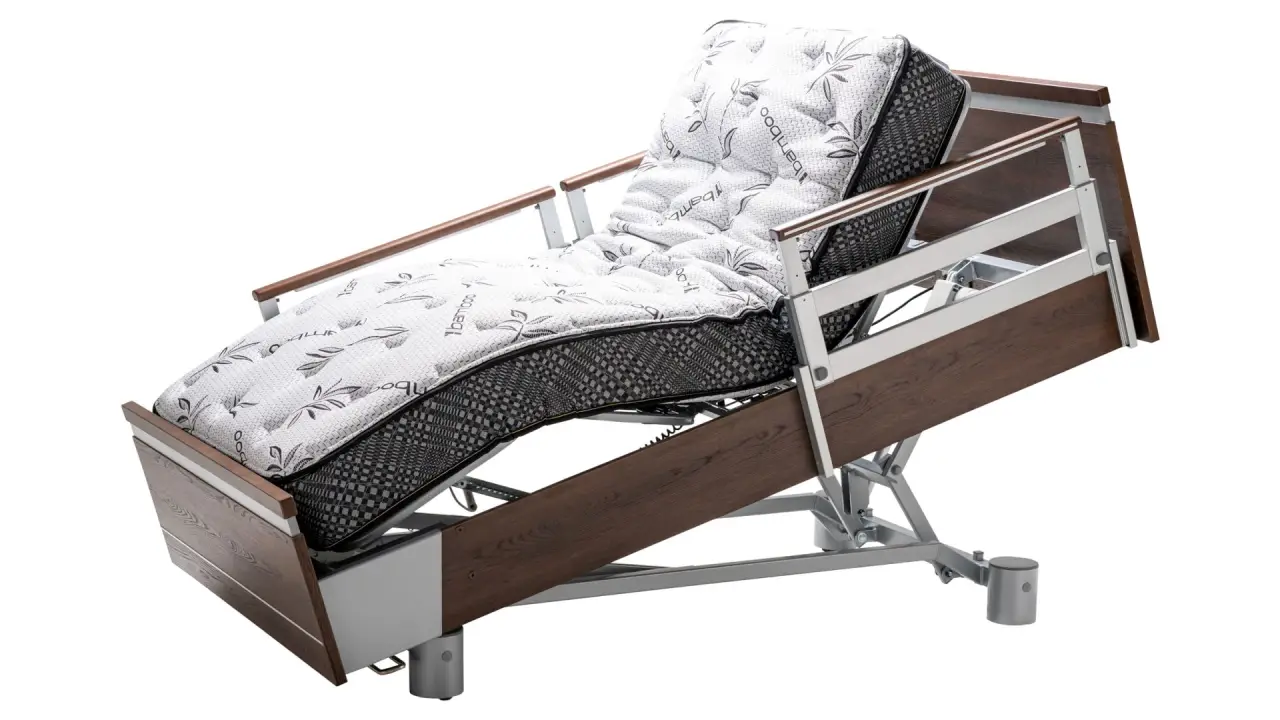
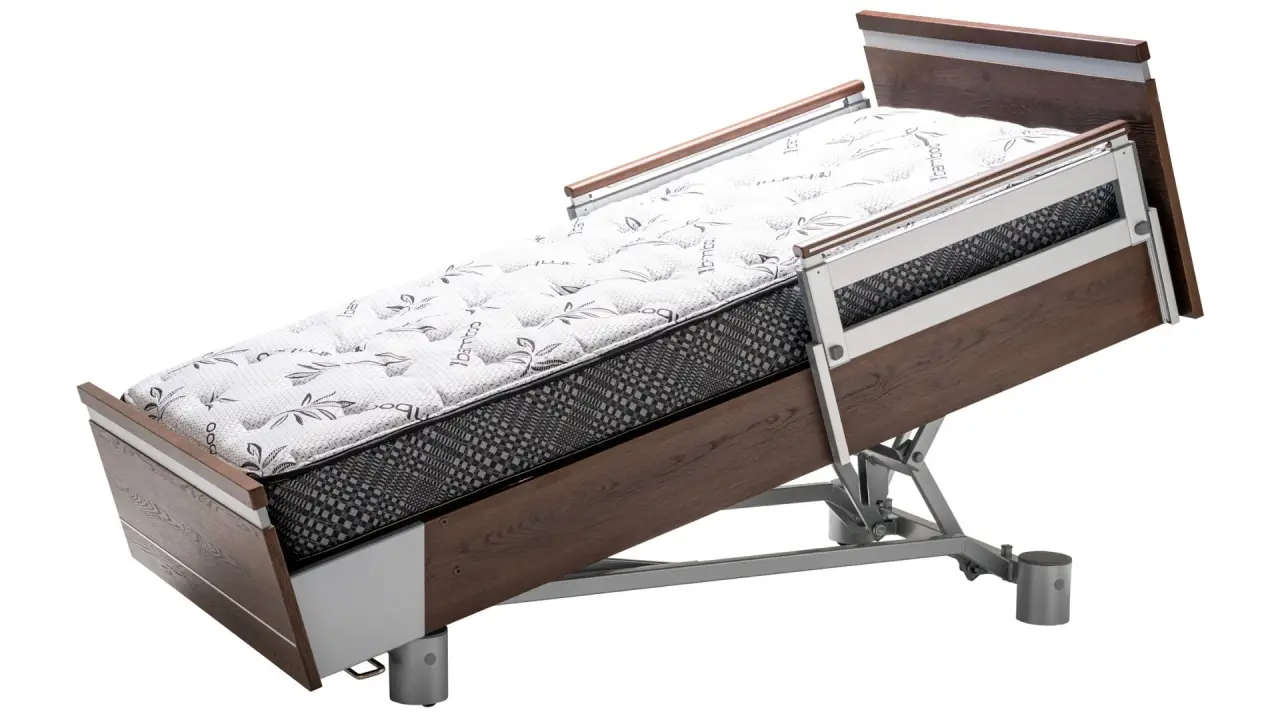
SonderCare Aura Premium: Hospital Function with a Residential Feel
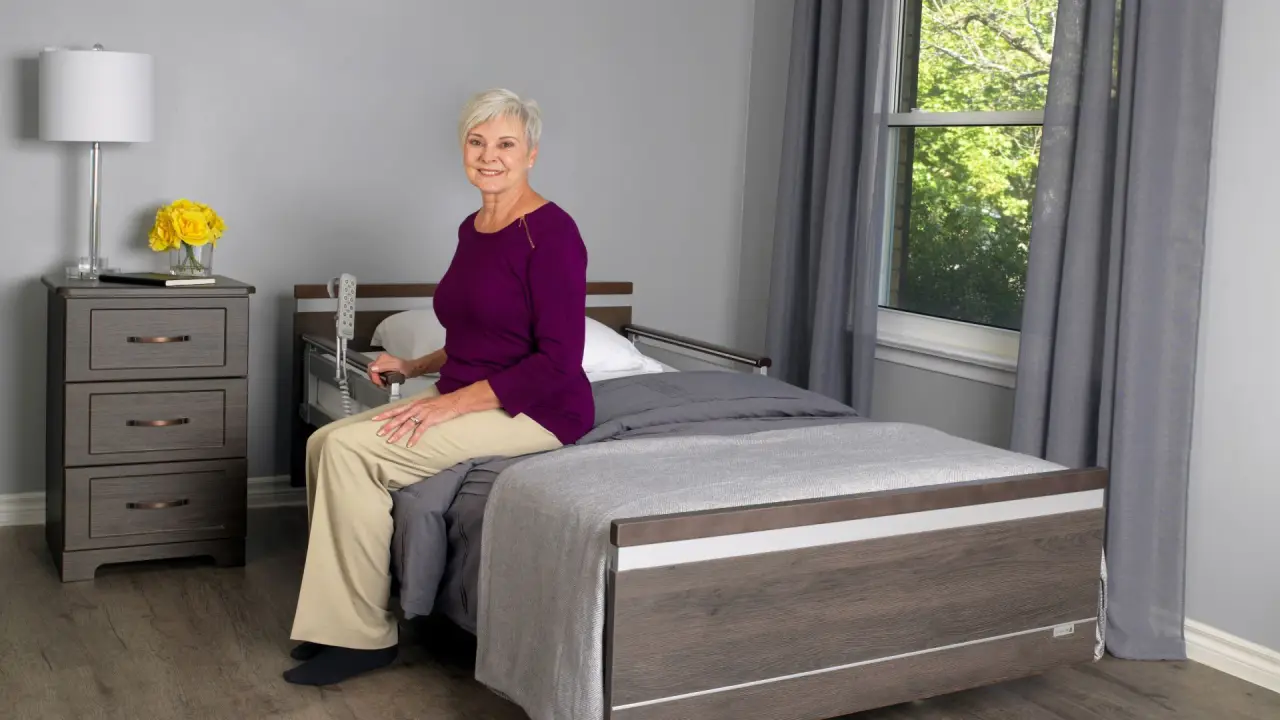
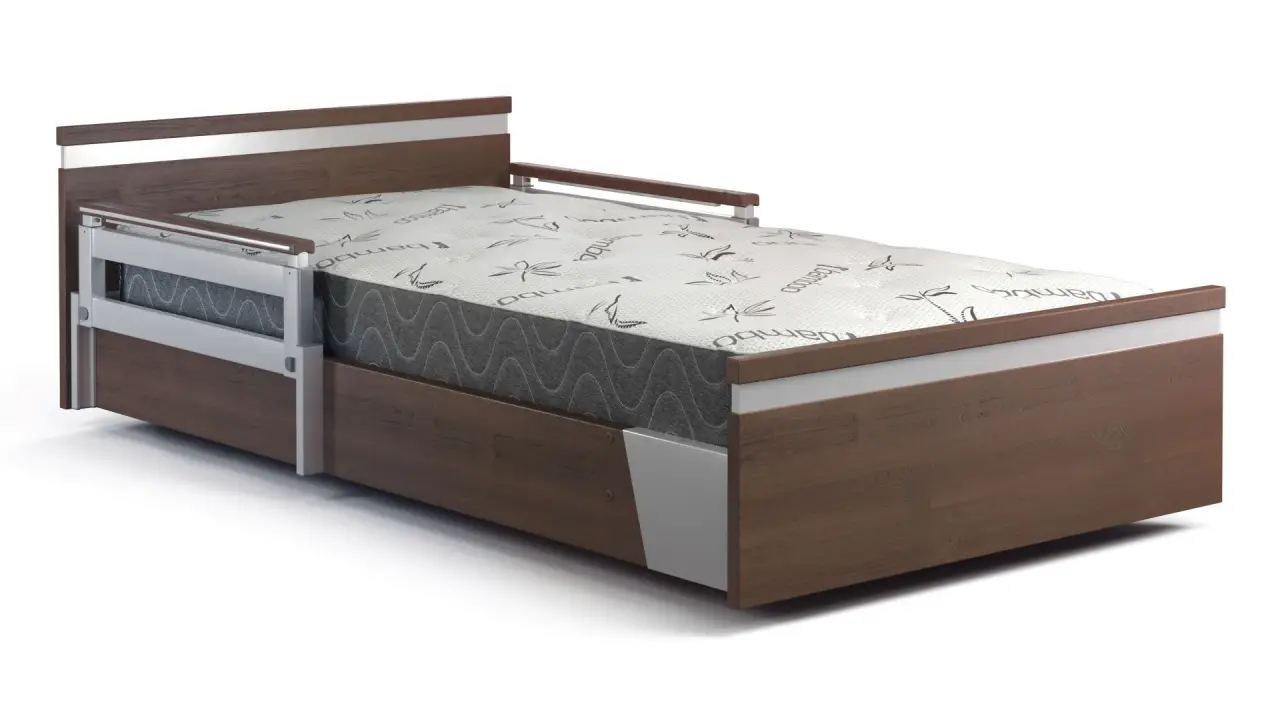
- quieter
- lower profile
- more furniture-like
- less clinical visually
That matters emotionally for families.
- Parkinson’s patients
- mobility decline
- elderly fall prevention
- stroke recovery at home
- dementia patient at home
- caregiver support at home
- spouses sharing a bedroom
The Aura also stands out because of the transfer height.
- wheelchair users
- weak standing transfers
- nighttime fall risk
- users sliding during transfers
- Electronics are more integrated
- components are more proprietary
- repairs can become more manufacturer-dependent
- parts are less universally interchangeable
Why Flex-A-Bed Hi-Low SL is a Favorite in Eastern North Carolina
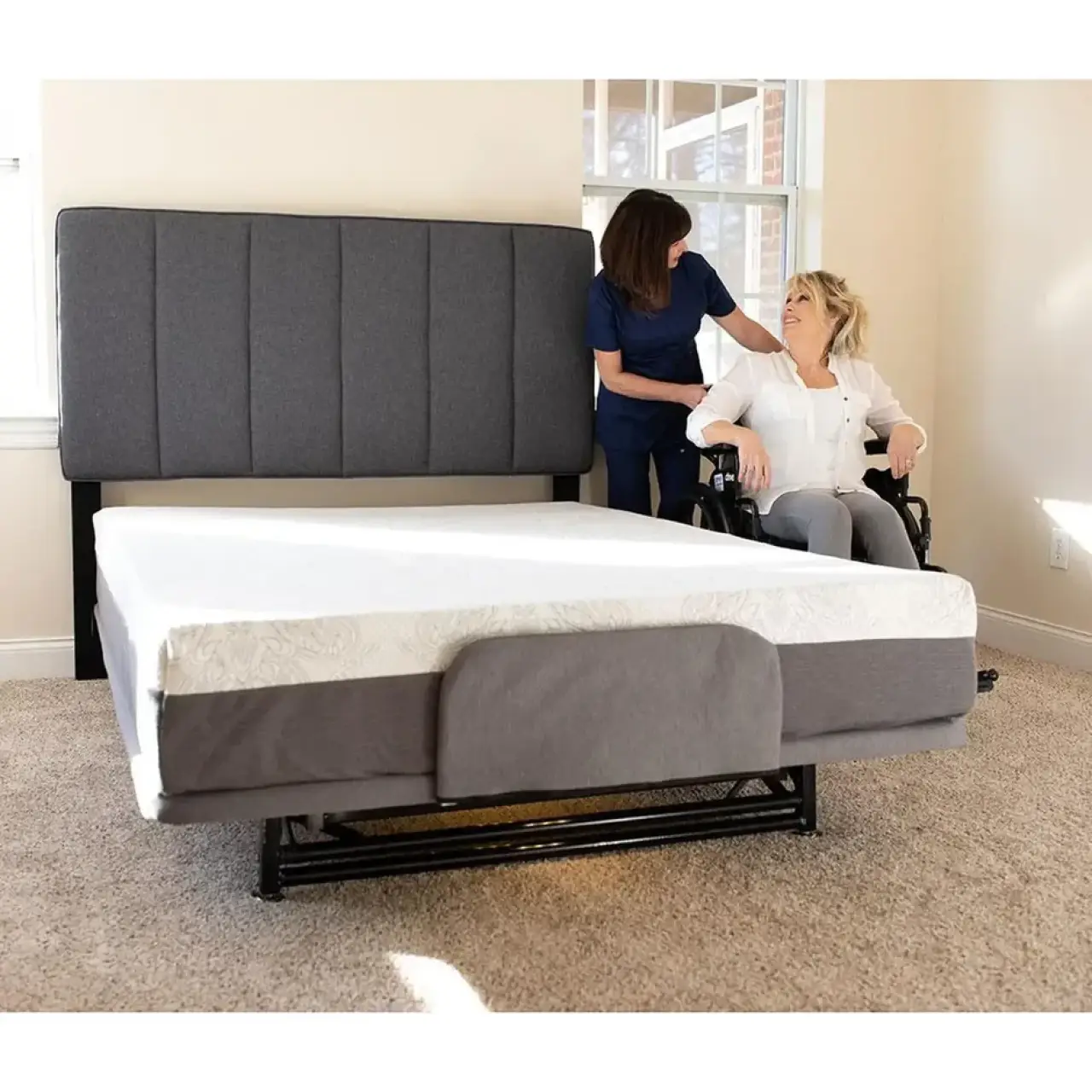
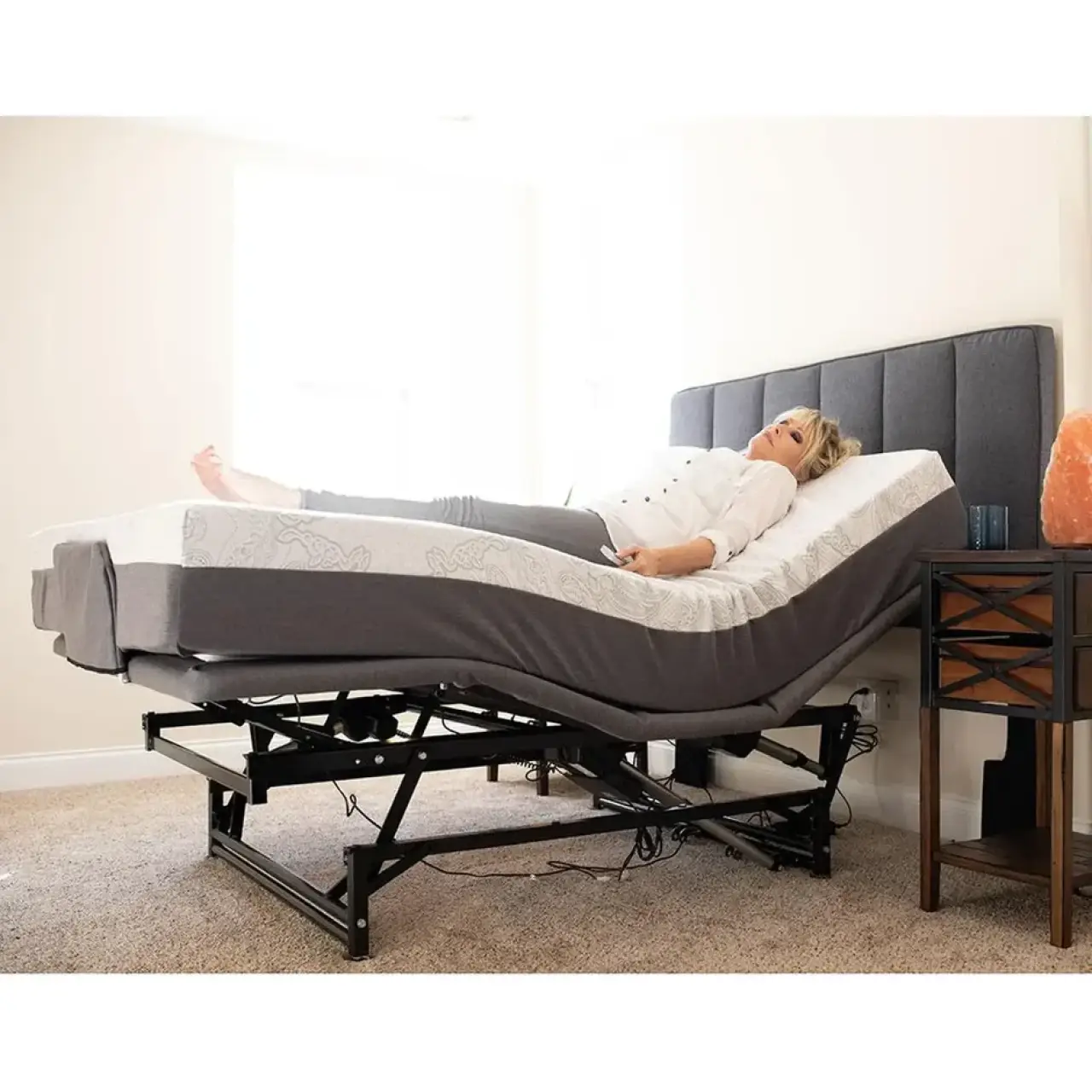
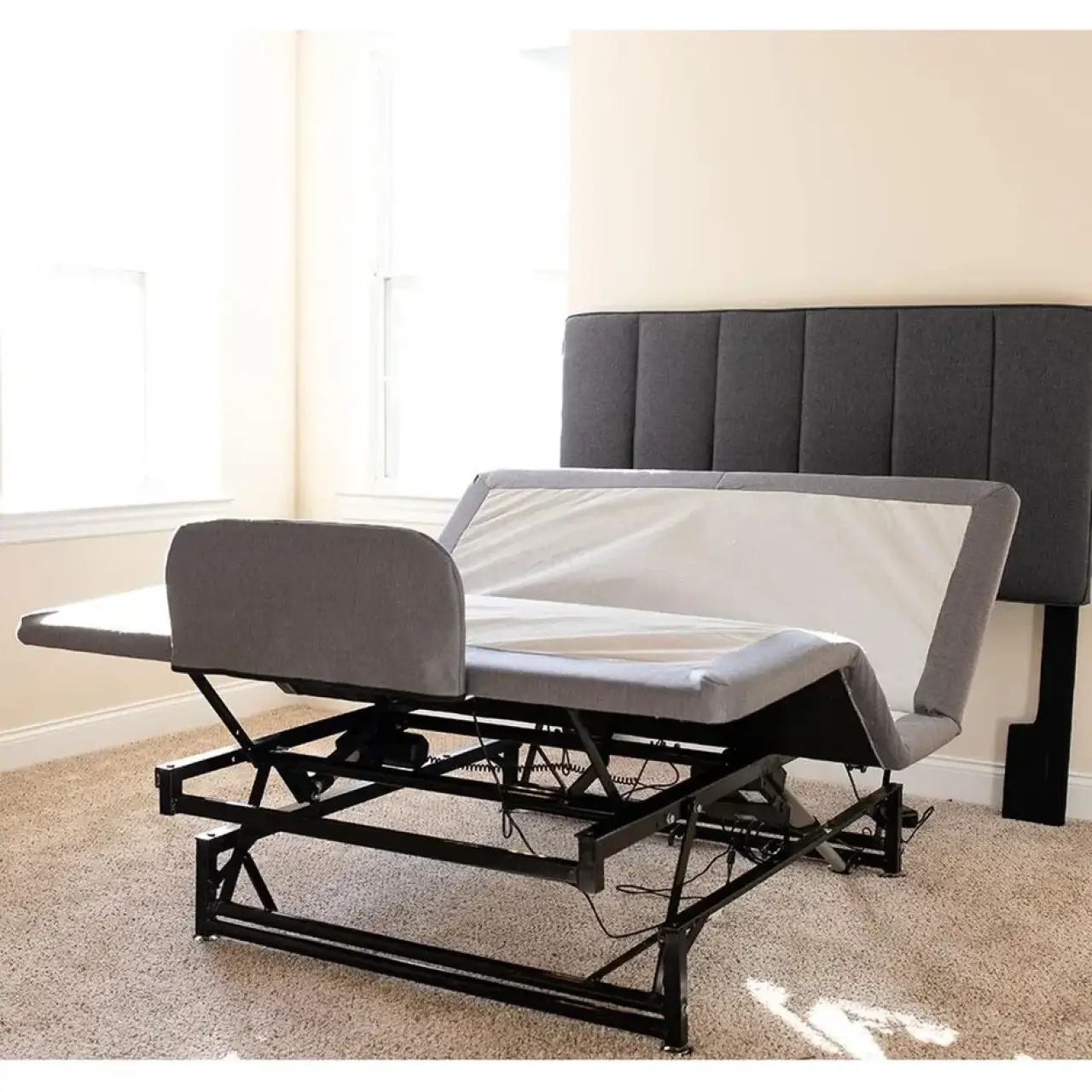
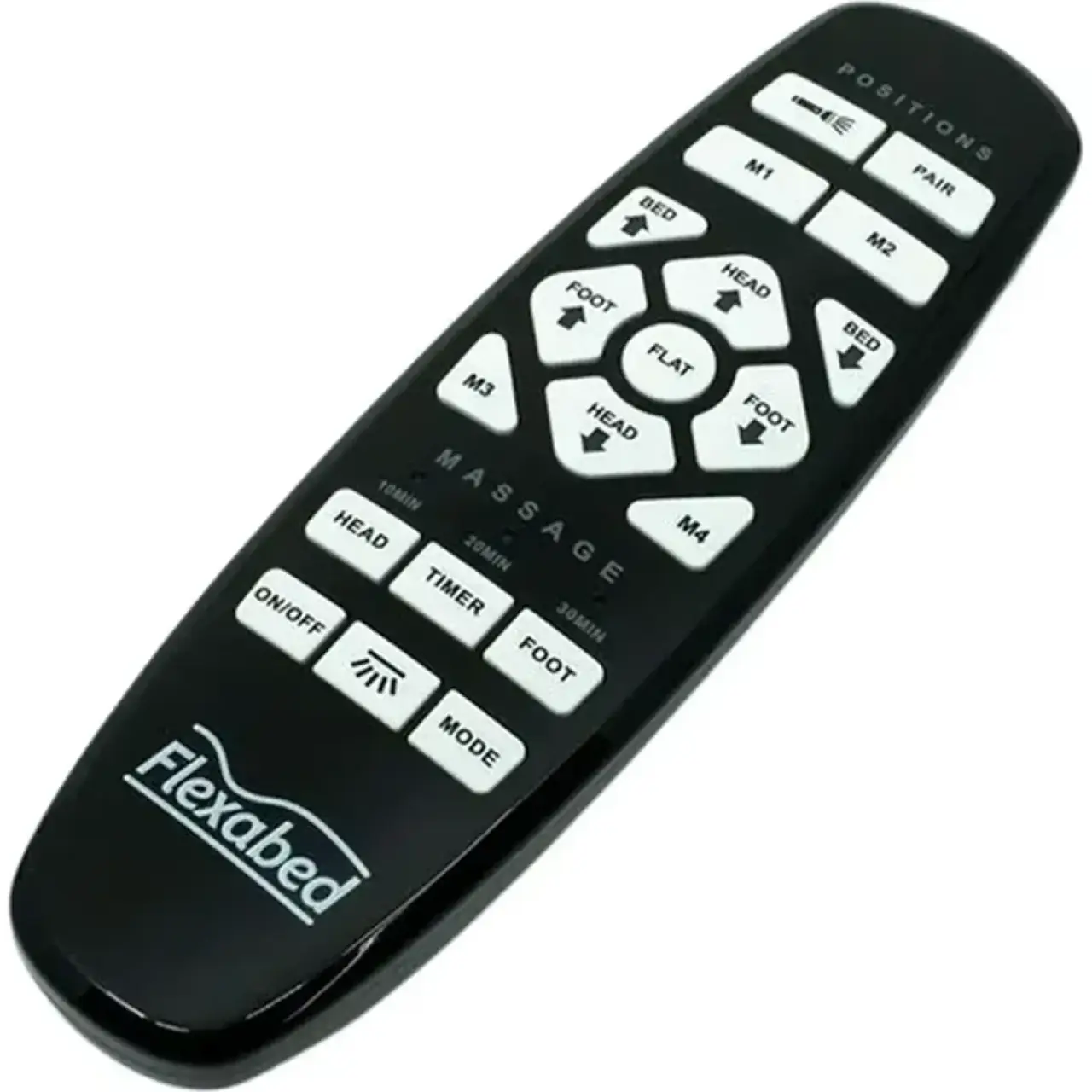
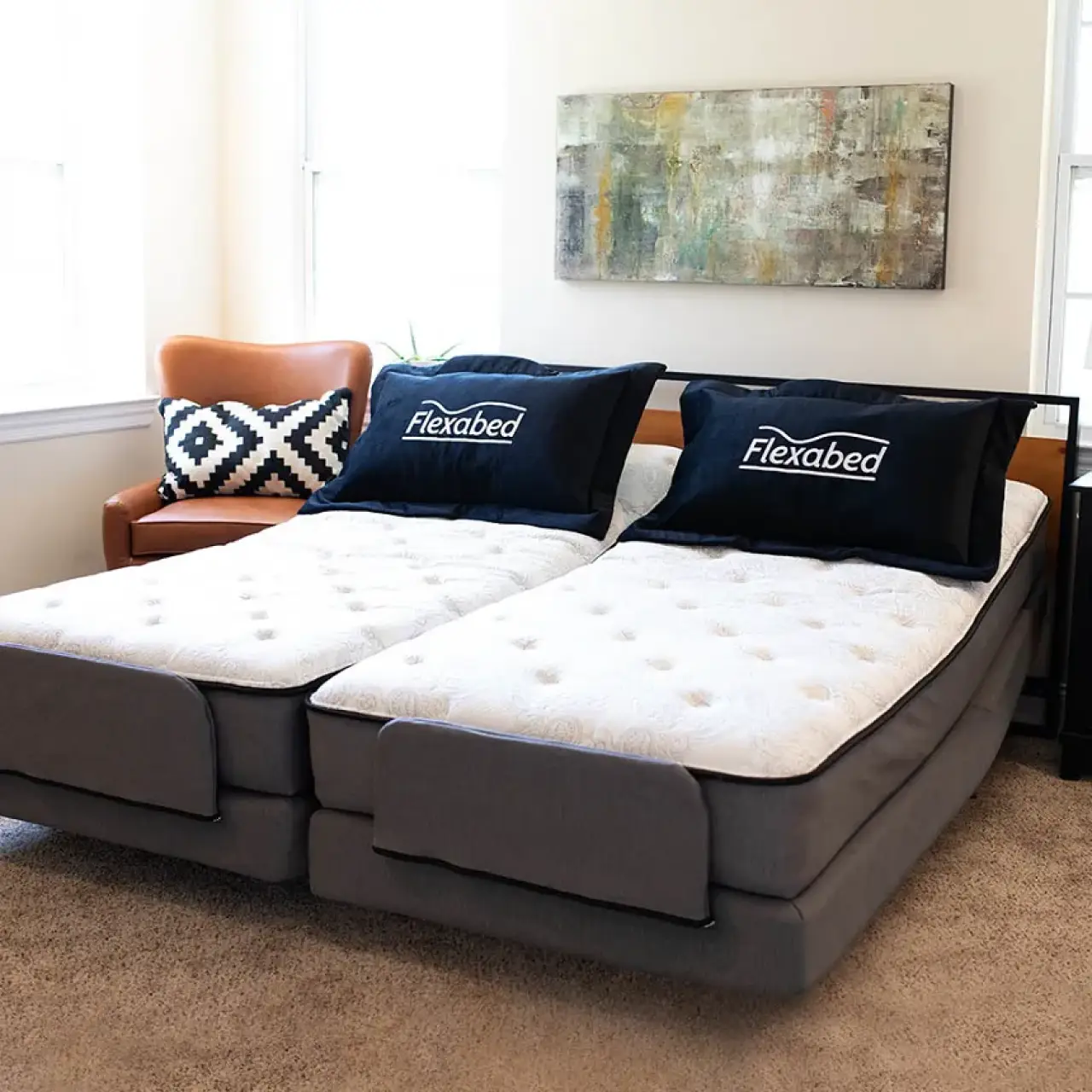
The Hi-Low SL lands in a very balanced middle ground.
That matters in homes where:
- spouses are caregivers
- adult children are helping
- rooms are smaller
- equipment needs to blend into normal life
Especially for:
- Arthritis
- Multiple Sclerosis
- chronic illness
- aging in place
- partial mobility decline
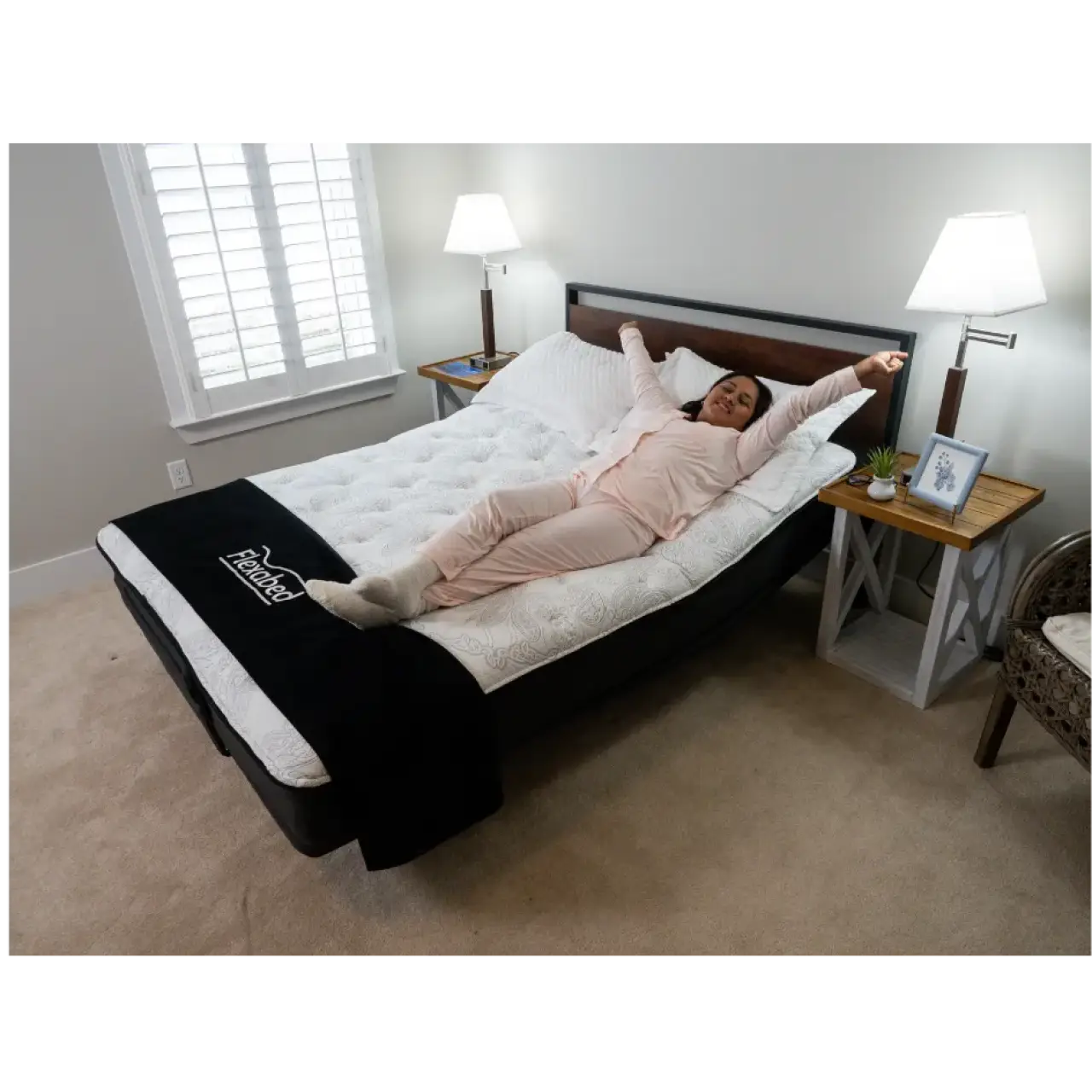
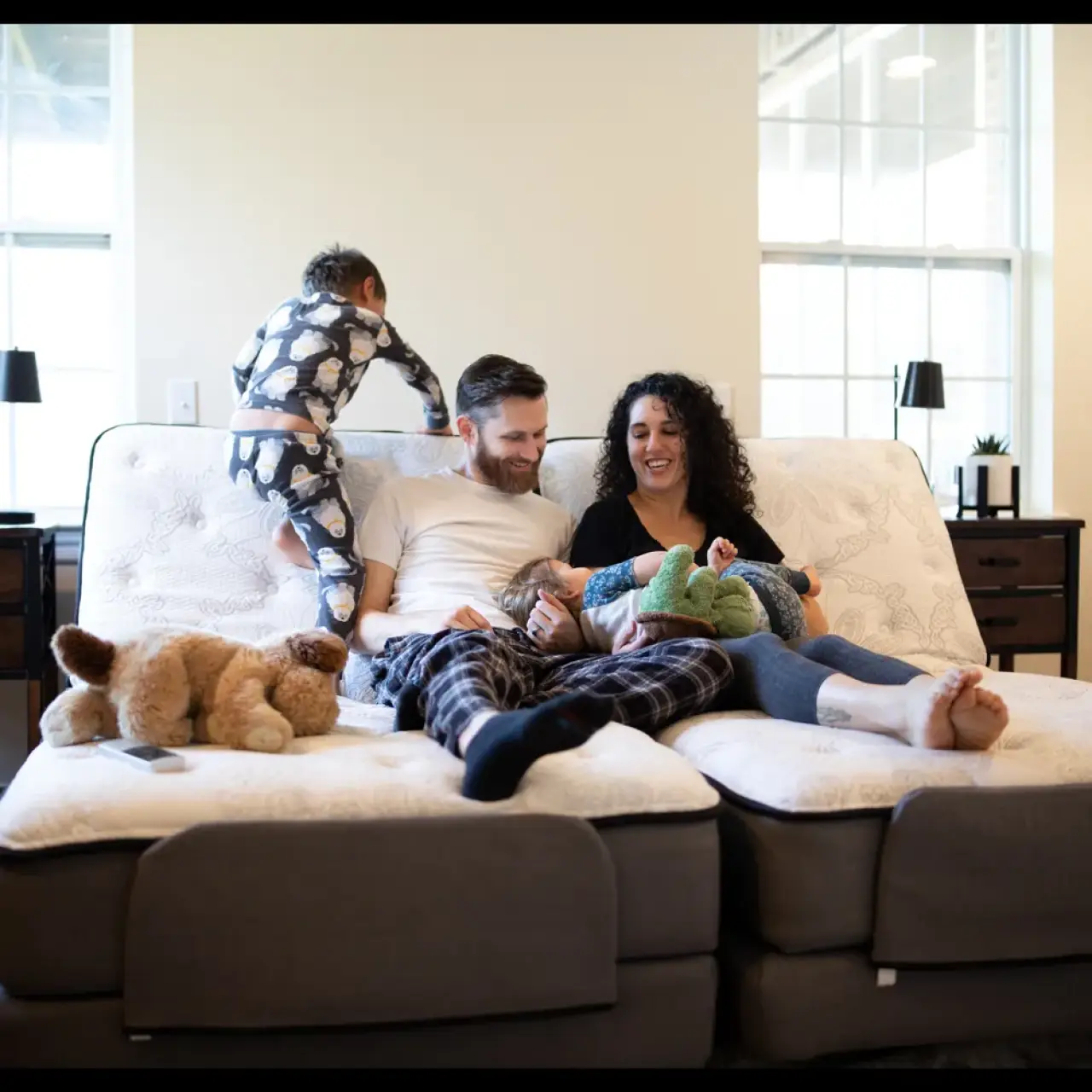
Flex-A-Bed Premier: The Least “Medical” Bed Here
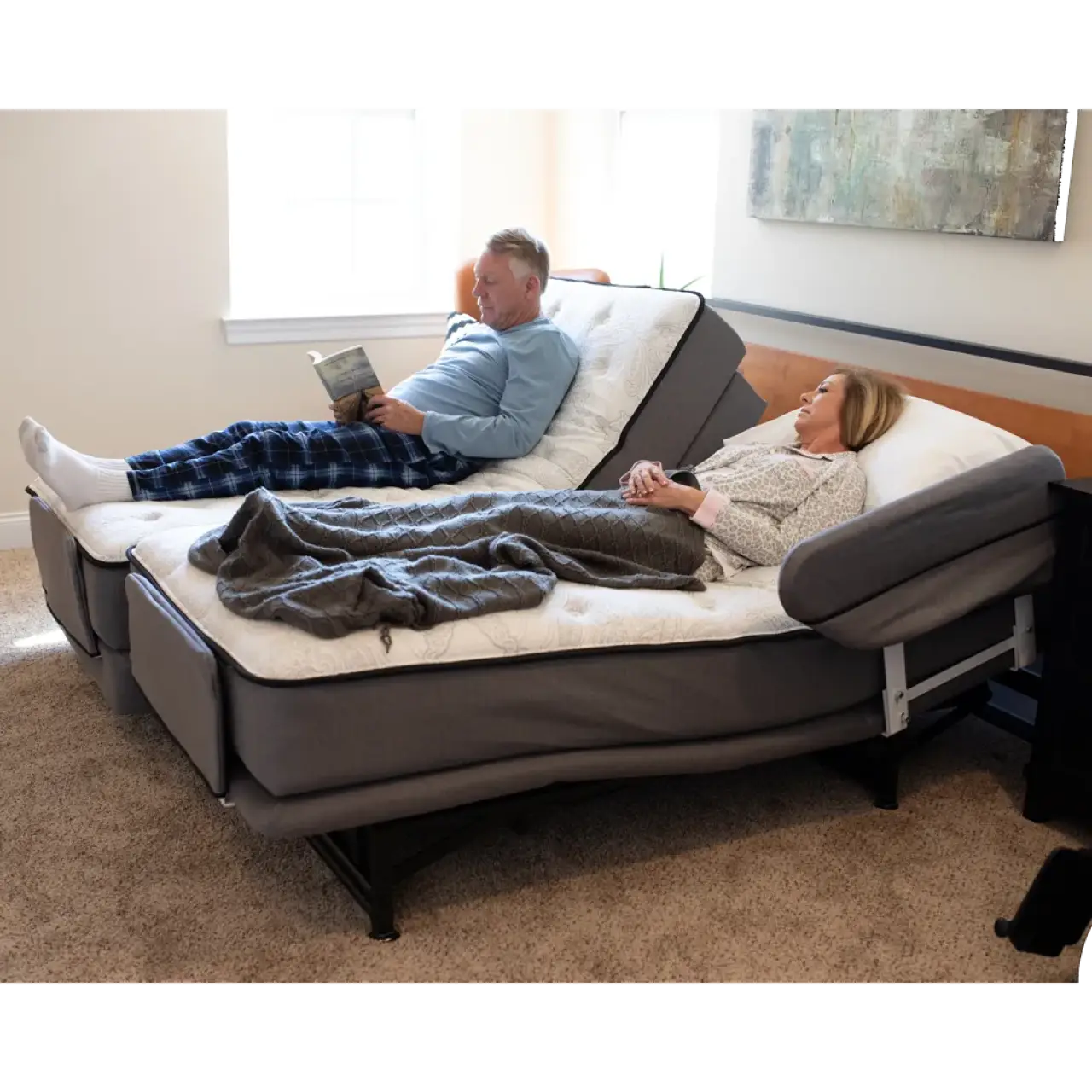
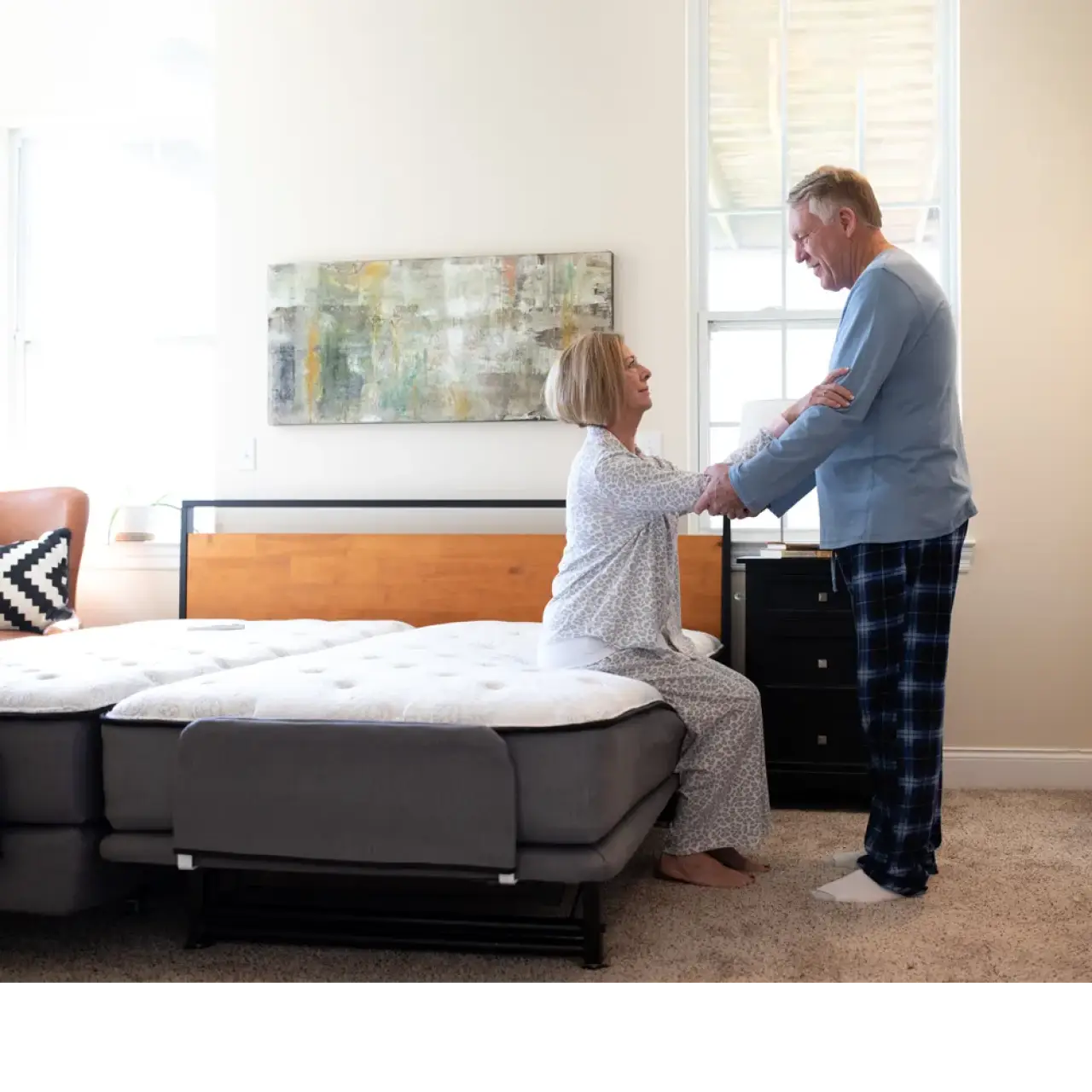
This is not the bed for:
- high-assist transfers
- advanced caregiving
- full clinical support
- chronic pain
- mild mobility decline
- sleep positioning
- Arthritis
- circulation issues
Proactive Protekt Akra-FE: Reliable Hospital Bed Solutions for Rural Beaufort County
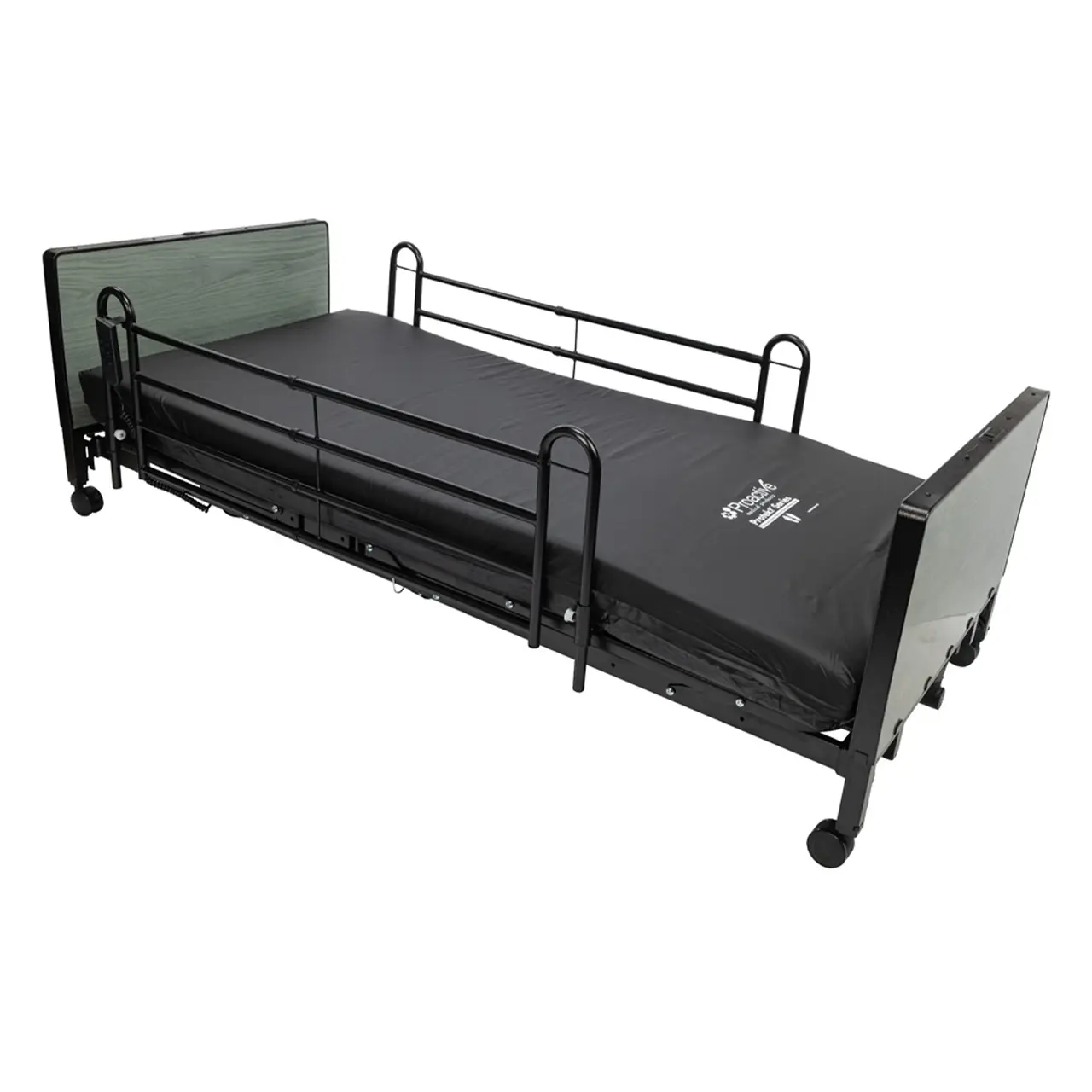
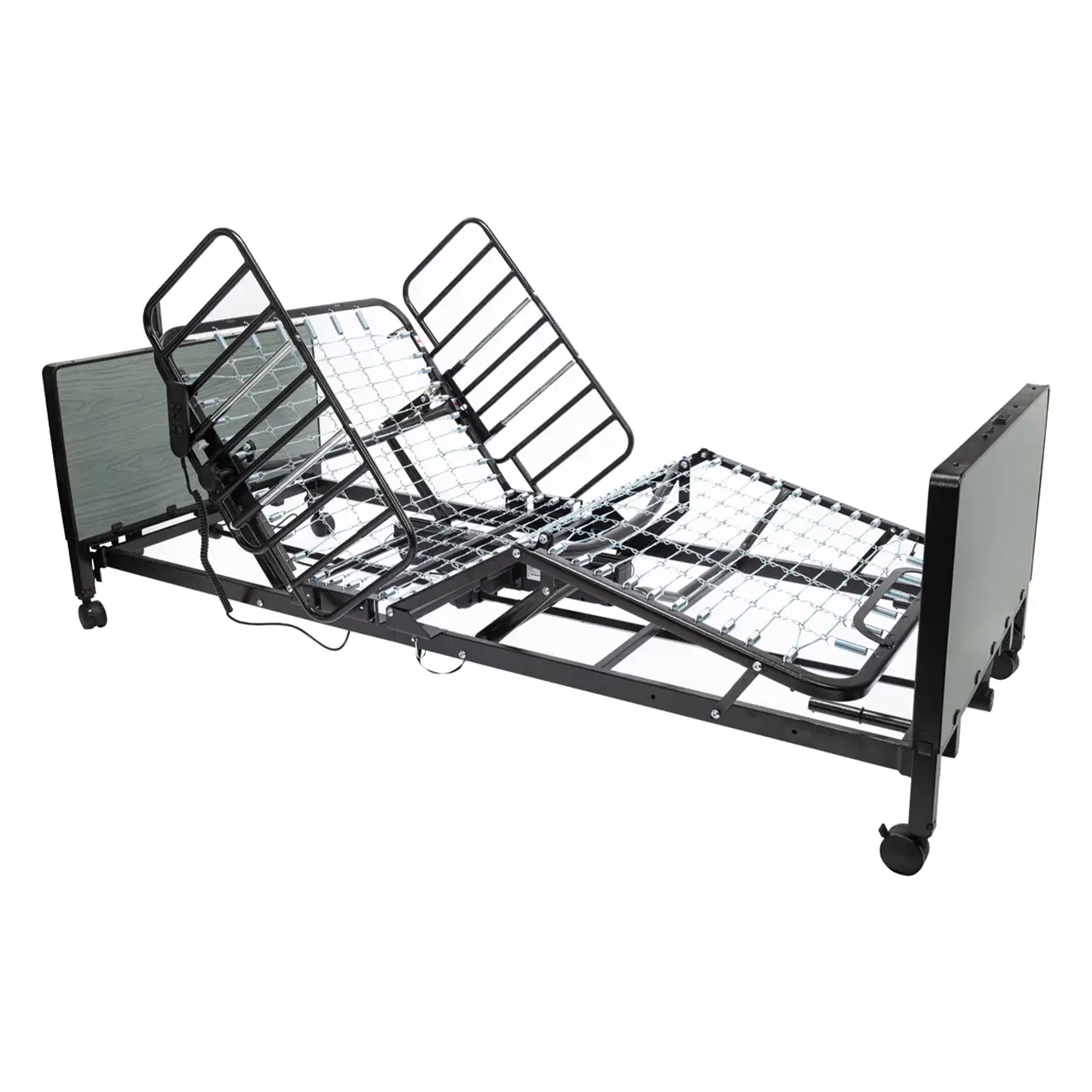
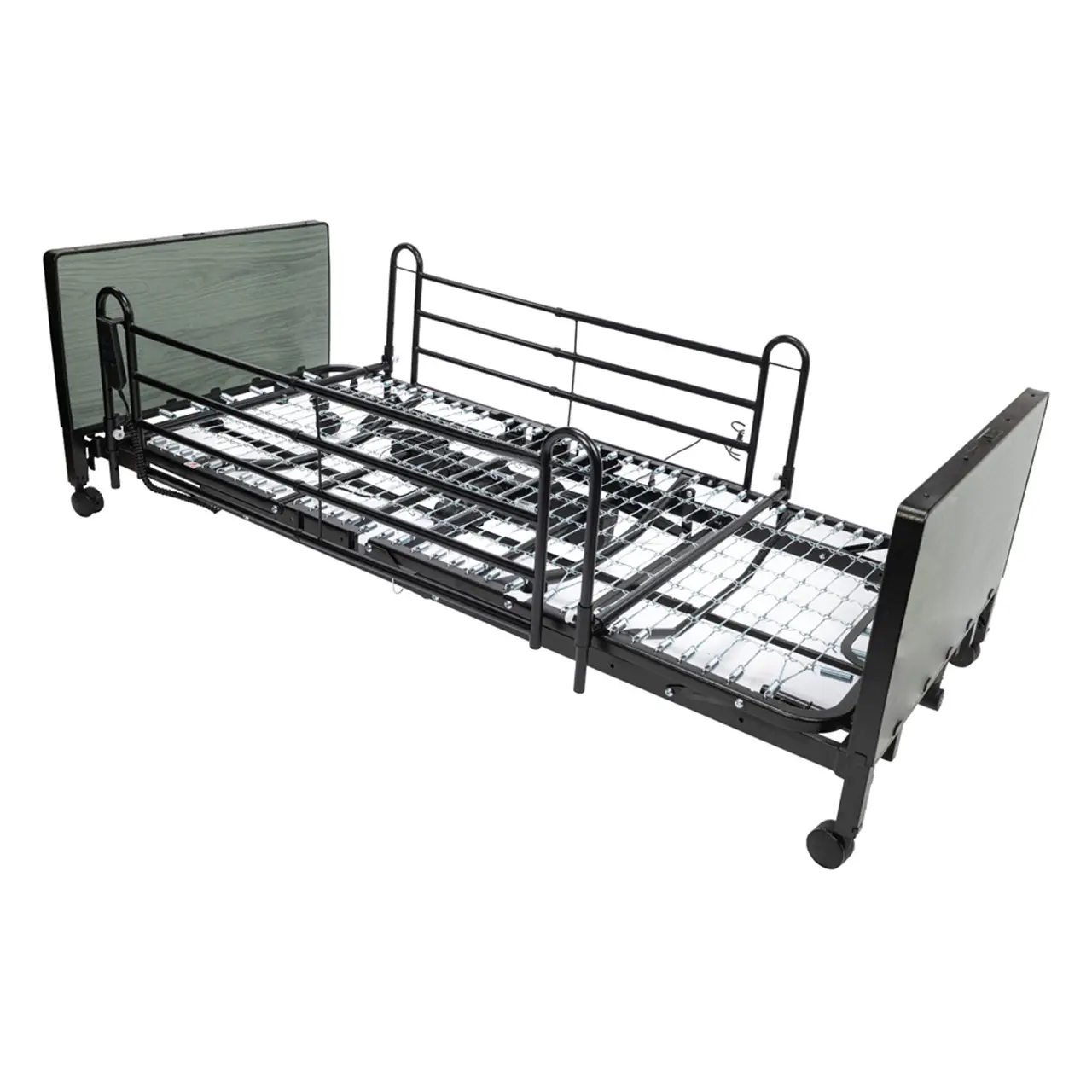
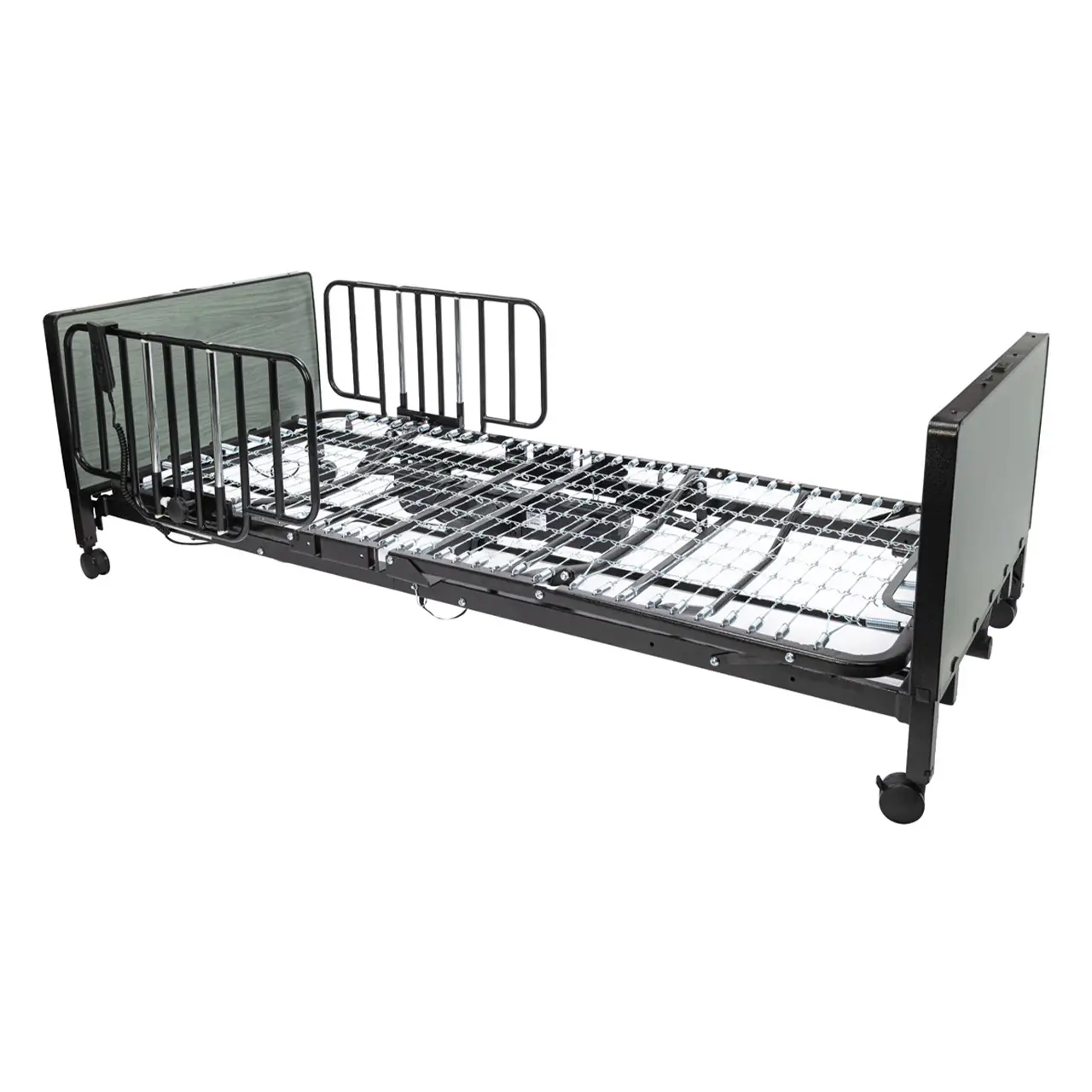
- simpler
- more affordable
- easier to repair
- easier to source parts for
- more standardized
- Plymouth
- Williamston
- Columbia
- Swan Quarter
- Engelhard
Proactive Protekt Protopia EXP: The Most Clinical Bed in This Comparison
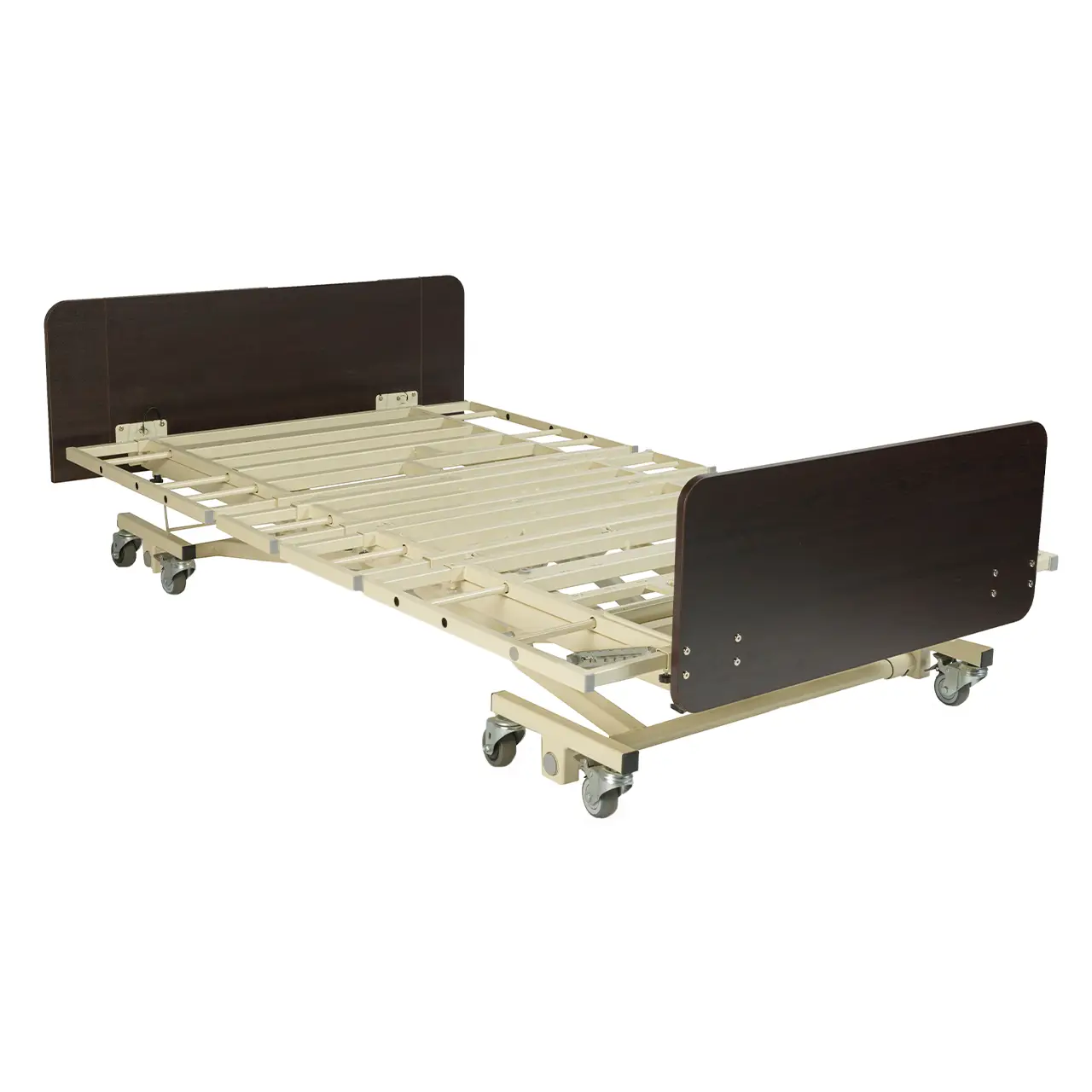
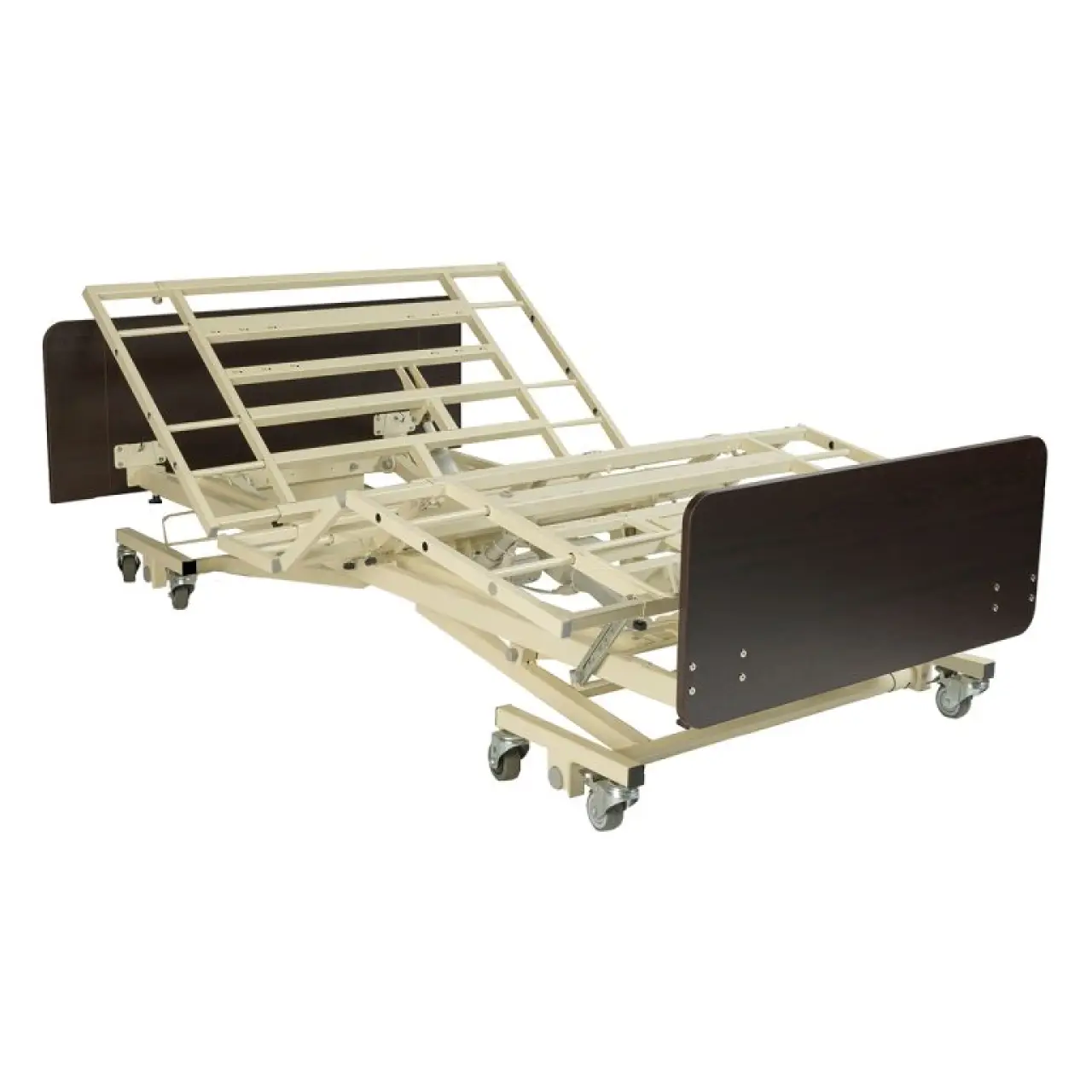
The Protopia EXP is fundamentally different from the Akra.
This bed is built around with
- more clinical
- more rugged
- less refined visually
- more institutional in feel
- more aggressive for fall management
- easier to service
- designed for high-use environments
This is less about aesthetics and more about injury prevention and long-term durability.
Reducing Caregiver Strain: Why Bed Height Matters in Rural NC Homes
- a bed that lowers properly
- a bed that rises high enough
- usable rails
- easier repositioning
...can become the difference between:
- keeping someone at home
- caregiver burnout
- needing facility placement sooner
Final Thoughts
| Best Luxury Clinical Bed | Best Overall Balance | Best Comfort-Focused Residential Bed | Best Budget Traditional Homecare Bed | Best Institutional Fall-Reduction Bed |
| SonderCare Aura Platinum | Flex-A-Bed Hi-Low SL | Flex-A-Bed Premier | Proactive Protekt Akra-FE | Proactive Protekt Protopia EXP |
The best bed is not the one with the most features.
It is the one that best fits:
- the home
- The Caregiver
- the diagnosis
- the long-term care plan
- and the reality of daily life in that household.
Schedule a free home accessibility consultation today and find the right mobility solutions for your home in Eastern North Carolina.

Written by:
Kristen Tschida, Owner and CEO of Adaptive Mobility Solutions
FAQs
What is the best hospital bed for home use?
The best hospital bed for home use depends on the user’s mobility, caregiving needs, fall risk, and long-term care plan. Some families prioritize clinical support and transfers, while others want a bed that feels more residential for aging in place. Beds like SonderCare, Flex-A-Bed, and traditional medical beds solve very different problems.
What’s the difference between SonderCare and Flex-A-Bed?
SonderCare focuses more heavily on medical-grade functionality with residential styling, lower transfer heights, and luxury finishes. Flex-A-Bed often balances comfort, practicality, and ease of daily living for aging in place. The right fit depends on caregiving needs and how much clinical functionality is required.
Are luxury hospital beds worth it?
Luxury hospital beds can be worth it for long-term care, shared bedrooms, and families wanting to avoid a clinical or institutional feel. Features like quieter motors, residential styling, low transfer heights, and upgraded positioning can improve comfort and caregiver support over time.
What hospital bed works best for aging in place?
For aging in place, many families look for hi-low adjustable beds that support safer transfers, caregiver access, and comfort while blending into the home. The best bed depends on mobility level, caregiver involvement, and whether the user is mostly independent or needs daily assistance.
What features matter most in a hospital bed for seniors?
The most important features often include:
- Transfer height
- Ease of repositioning
- Caregiver accessibility
- Mattress compatibility
- Fall prevention
- Ease of getting in and out of bed
- Long-term serviceability and replacement parts
Families often underestimate how much daily usability matters over time.
What is the best hospital bed for an elderly parent at home?
The best bed for an elderly parent depends on:
- Mobility limitations
- Fall risk
- Caregiver strain
- Bedroom layout
- Long-term diagnosis
- Whether transfers require assistance
A lower bed height and caregiver-friendly positioning often matter more than luxury features alone.
Do hospital beds help prevent falls?
Some hospital beds can reduce fall risk, especially ultra-low beds designed for seniors with mobility decline, dementia, or nighttime wandering. Bed height and transfer safety are often major considerations for families trying to keep loved ones safely at home.
What is the best bed for Parkinson’s or stroke recovery at home?
For Parkinson’s disease or stroke recovery, families often prioritize:
- Easier transfers
- Positioning support
- Adjustable height
- Reduced caregiver strain
- Better nighttime safety
Is it better to rent or buy a hospital bed?
Renting may make sense for short-term recovery, while buying is often preferred for long-term conditions, chronic illness, aging in place, or permanent mobility decline. The timeline of care is usually the deciding factor.
What is the best hospital bed for a raised beach house or narrow hallway?
For homes in the Outer Banks or historic Washington with narrow frames and raised entries, we look for beds with modular designs that can be safely maneuvered. The Flex-A-Bed series is often preferred in these tighter layouts.